Upload time : 2026-07-25 15:53
DCS Control Scheme and Main Instrument Performance:
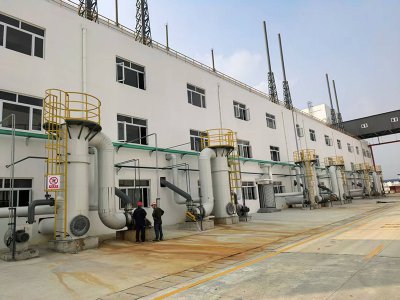
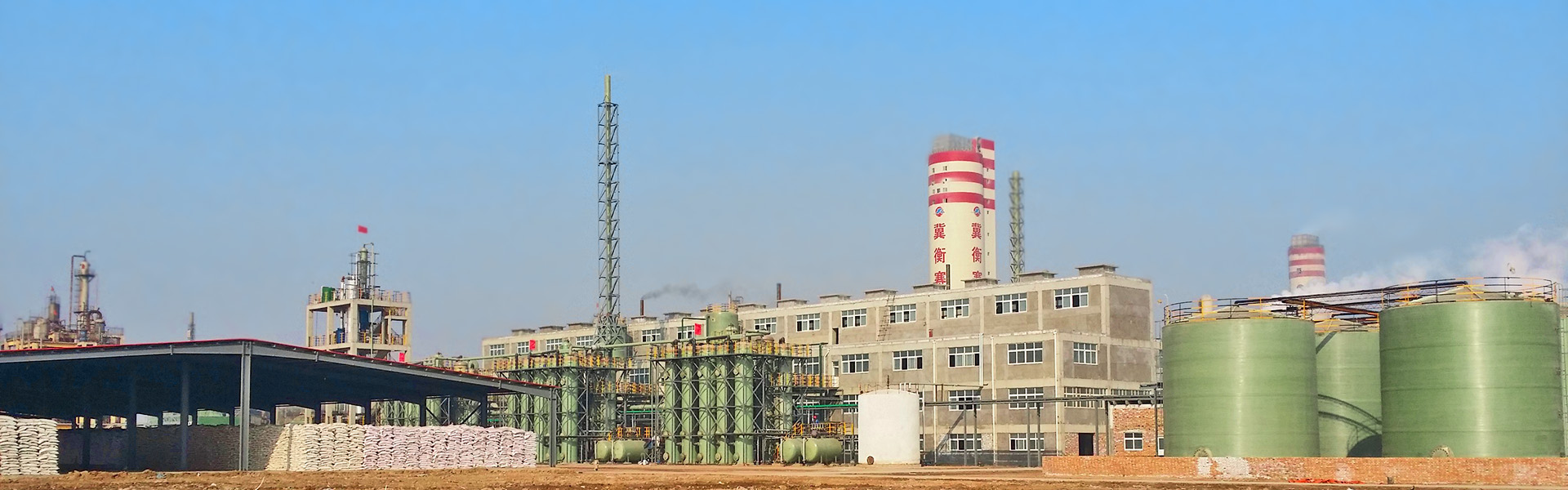
According to the characteristics and operational requirements of the process production, this project adopts a DCS control system to detect, display, alarm, control, and interlock process parameters such as temperature, pressure, level, and flow of the potassium sulfate production unit.

Potassium Fertilizer Production Interlock Description:
1.The reaction furnace combustion chamber flame signal is directly connected to the field ignition box. Flame signal loss interlock closes the reaction furnace left chamber natural gas inlet shut-off valve (solenoid valve); the signal from the field ignition box is connected to the DCS control system to achieve display, recording, and alarm of flame parameters.
2.The reaction furnace air supply fan stop signal is directly connected to the DCS control system to achieve display, recording, and alarm of air supply fan operating parameters, and the air supply fan stop signal interlock closes the reaction furnace natural gas inlet shut-off valve (solenoid valve); after an interval and gas purging in the combustion chamber, the DCS outputs a dry contact to allow ignition.
3.The reaction furnace air exhaust fan stop signal is directly connected to the DCS control system to achieve display, recording, and alarm of air exhaust fan operating parameters, and the air exhaust fan stop signal interlock closes the reaction furnace natural gas inlet shut-off valve (solenoid valve); after an interval and gas purging in the combustion chamber, the DCS outputs a dry contact to allow ignition.
4.The reaction furnace concentrated sulfuric acid feed flow signal is directly connected to the DCS control system to achieve display, recording, and alarm of flow parameters. The flow signal and the reaction furnace sulfuric acid feed control valve form a control loop to achieve automatic regulation of the reaction furnace concentrated sulfuric acid feed flow.
5.The reaction furnace KCl feed bin weight signal is directly connected to the DCS control system to achieve display, recording, and alarm of weight parameters. The weight signal and the reaction furnace KCl feed control valve form a control loop to achieve automatic regulation of the reaction furnace KCl feed flow.
6.The sulfuric acid gas three-stage washing tower level signal is directly connected to the DCS control system to achieve display, recording, and alarm of level parameters. The level signal and the feed control valve form a control loop to achieve automatic regulation of the sulfuric acid gas three-stage washing tower level.
7.The circulating acid production water tank level signal is directly connected to the DCS control system to achieve display, recording, and alarm of level parameters. The level signal and the feed control valve form a control loop to achieve automatic regulation of the circulating acid production water tank level.
8.The hydrochloric acid tail gas five-stage absorption tower level signal is directly connected to the DCS control system to achieve display, recording, and alarm of level parameters. The level signal and the pure water inlet control valve form a control loop to achieve automatic regulation of the hydrochloric acid tail gas five-stage absorption tower level.
9.The three-stage raking tower level signal is directly connected to the DCS control system to achieve display, recording, and alarm of level parameters. The level signal and the pure water inlet control valve form a control loop to achieve automatic regulation of the three-stage raking tower level.
10.The reaction furnace KCl feed blockage or shortage signal is introduced into the DCS control system. When the reaction furnace KCl feed is blocked or in shortage, it interlocks to close the reaction furnace concentrated sulfuric acid feed valve.
To ensure production safety, combustible gas detection and alarm systems are installed in places where combustible gas leakage may occur. Combustible gas detectors are equipped with field audible and visual alarms. The 4~20mA three-wire signal is sent to the control room combustible gas detection alarm controller. The combustible gas detection alarm controller has RS485 communication function, sending alarm signals to the computer for display, recording, alarm, and interlock control, enabling real-time monitoring.
Potassium sulfate contains not only the potassium ions essential for crop growth but also sulfur, which promotes crop growth. It is a potassium and sulfur compound fertilizer suitable for all crops, especially chlorine-sensitive crops such as tobacco, tea, sugar beets, melons and fruits, tubers, peanuts, legumes, vegetables, etc. It can not only increase crop yield but also improve the quality of crop products. For example, it can improve the combustibility of tobacco, the sweetness of grapes and watermelons, and the starch content of tubers. Combined with reasonable application of chlorine and phosphorus, it can achieve a yield increase effect of 10-25%. Because potassium sulfate has a low salt index, long-term use will neither damage soil structure nor cause soil acidification or salinization.
The by-product hydrochloric acid produced in this project can be widely used in chemical industries such as electrolysis, electroplating, purification of industrial boiler water, and equipment cleaning. It is one of the basic chemical raw materials and has broad market prospects.
Phone: +86 13953304590(Manager Wang)
E-mail:wangdongwei170@gamil.com
Address:Zichuan District, Zibo City, Shandong Province, China